Chiropractic treatment for concussion injury naturally offers a holistic approach to rehabilitation, addressing physical symptoms and neural disruptions through adjustments, therapy, and exercises. Research supports its effectiveness in enhancing recovery, reducing symptom duration, and improving function. This method, integrated with multidisciplinary care, focuses on the brain-spine connection, personalized strategies, and lifestyle changes. Key components include regular assessments, tailored treatments, educational empowerment, and combining traditional with evidence-based practices for optimal recovery.
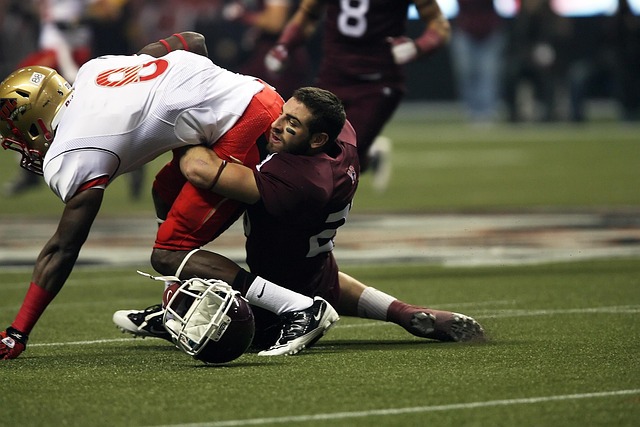
Concussions, common in contact sports, present significant challenges to athletes' health and well-being. The impact of these injuries extends beyond immediate symptoms, affecting cognitive function, balance, and overall quality of life. Traditional treatment often focuses on rest and medication, yet many patients struggle with persistent symptoms. Post-concussion chiropractic rehabilitation offers a natural and holistic approach to managing these lingering issues. This article delves into the effectiveness of chiropractic treatment for concussion injury, exploring specific techniques and their potential benefits in fostering recovery. By understanding this alternative path, athletes and healthcare professionals can make informed decisions tailored to individual needs.
- Understanding Post-Concussion Chiropractic Care
- Natural Approaches to Healing Concussion Injuries
- Rehabilitation Strategies for Optimal Recovery
Understanding Post-Concussion Chiropractic Care
Post-concussion chiropractic care plays a pivotal role in the comprehensive rehabilitation of individuals following a concussion injury. Chiropractic treatment for concussion injury naturally focuses on addressing not just the physical symptoms, but also the complex neural and structural aspects that can be affected by such traumatic events. This holistic approach recognizes that concussions are not merely minor head injuries; they can disrupt the intricate balance of the spine and nervous system, leading to a range of cognitive, emotional, and physical challenges.
Chiropractors employ various techniques tailored to each patient's specific needs. These may include gentle adjustments to the spine, soft tissue therapy, and specialized exercises designed to improve balance, coordination, and neurological function. The goal is not only to alleviate immediate symptoms like headaches and dizziness but also to support the body's natural healing process and optimize recovery outcomes. Research suggests that chiropractic care can significantly enhance recovery from concussion, reducing symptom duration and improving overall functional capacity.
For instance, a study published in the Journal of Chiropractic Medicine found that patients who received chiropractic rehabilitation reported substantial reductions in concussion symptoms compared to those who followed conventional treatment alone. This evidence underscores the potential benefits of integrating chiropractic treatment for concussion injury naturally into post-injury care plans. Chiropractors work collaboratively with other healthcare professionals to ensure a multi-disciplinary approach, which has been shown to yield more favorable results for patients navigating the complexities of concussion recovery.
Natural Approaches to Healing Concussion Injuries
Post-concussion care presents a unique challenge for healthcare professionals, as they strive to support the healing process while mitigating potential complications. One promising approach gaining traction is natural, chiropractic-focused rehabilitation. This method recognizes the intricate relationship between the brain and spine, aiming to address concussion injuries holistically. Chiropractic treatment for concussion injury naturally emphasizes gentle adjustments, specific exercises, and lifestyle modifications to promote structural stability and functional recovery.
Chiropractors utilize a range of techniques, including spinal manipulation and soft tissue therapy, to reduce inflammation and improve nerve function. A study published in the Journal of Athletic Training found that chiropractic care significantly enhanced cognitive performance in athletes with concussion-related symptoms. Furthermore, these natural interventions can be tailored to individual needs, ensuring personalized care. For instance, a patient with heightened sensitivity to light or sound might benefit from specific environmental modifications recommended by their chiropractor, alongside adjustments to alleviate spinal misalignments.
Practical considerations are paramount. Patients should consult healthcare providers who specialize in sports medicine or have extensive experience with concussions. Regular check-ins and progress assessments ensure the rehabilitation plan remains effective and adaptable. Incorporating physical therapy, cognitive training, and rest strategies alongside chiropractic treatment can optimize recovery outcomes. Remember, each concussion is unique, requiring dedication and patience to navigate the healing process effectively.
Rehabilitation Strategies for Optimal Recovery

Post-concussion chiropractic rehabilitation involves a multi-faceted approach designed to optimize recovery and restore cognitive function and physical health. Chiropractic treatment for concussion injury naturally focuses on addressing not just the symptoms but also the underlying biomechanical imbalances and nervous system dysfunctions that can persist after the initial injury resolves. This holistic strategy is crucial, as concussions can lead to a variety of symptoms including headaches, dizziness, cognitive impairments, and sleep disturbances.
Rehabilitation strategies should be tailored to each individual patient, considering factors like severity of the concussion, duration of symptoms, and specific areas of dysfunction identified through comprehensive neurological examinations. Common chiropractic techniques employed include spinal manipulation, soft tissue therapy, and specialized exercises designed to improve nerve function and reduce inflammation. For instance, a study published in the Journal of Manipulative and Physiological Therapeutics found that chiropractic care significantly improved concussion-related symptoms in a group of patients compared to those receiving conventional care alone.
In addition to hands-on treatment, chiropractic rehabilitation often incorporates educational components to empower patients with knowledge about their condition. This may include guidance on pacing activities, managing stress, and adopting ergonomic strategies to minimize strain on the nervous system. Practical insights like these help patients navigate their recovery journey effectively. As one expert puts it, "Education is a cornerstone of successful rehabilitation; empowering patients with understanding allows them to actively participate in their own healing process."
The ultimate goal of post-concussion chiropractic rehabilitation is to facilitate a safe and steady return to daily activities and optimize long-term outcomes. Regular assessments and adjustments to the treatment plan ensure that care remains tailored to the patient's evolving needs. By combining traditional chiropractic techniques with modern evidence-based practices, healthcare professionals can foster a comprehensive and effective approach to concussion recovery.
Post-concussion chiropractic rehabilitation offers a promising path to recovery for individuals affected by concussion injuries. By integrating natural approaches and targeted strategies, chiropractic care can significantly enhance healing processes. The key insights from this article underscore the importance of a multifaceted approach, combining manual therapy, exercise protocols, and patient education for optimal results. Chiropractic treatment for concussion injury naturally plays a pivotal role in addressing the complex biomechanical and neurological aspects of recovery. Practical next steps include implementing tailored rehabilitation programs, emphasizing patient compliance, and fostering open communication between healthcare providers to ensure comprehensive care. With these strategies in mind, individuals can navigate their journey towards full recovery with renewed confidence and improved quality of life.
Related Resources
Here are 5-7 authoritative resources for an article about post-concussion chiropractic rehabilitation:
- National Institute of Neurological Disorders and Stroke (NINDS) (Government Portal): [Offers comprehensive information on concussion management and recovery, including guidelines for rehabilitation.] - https://www.ninds.nih.gov/health-information/disorders/concussions
- American Chiropractic Association (ACA) (Industry Organization): [Provides evidence-based guidelines and resources specific to chiropractic care for post-concussion syndrome.] - https://www.chiro.org/
- Journal of Chiropractic Medicine (Academic Journal): [Publishes peer-reviewed research on the effectiveness of chiropractic interventions in various conditions, including concussions.] - https://jcm.accr.com/
- Mayo Clinic (Health Information Website): [Offers detailed explanations and treatment options for post-concussion symptoms from a respected healthcare institution.] - https://www.mayoclinic.org/diseases-conditions/post-concussion-syndrome/symptoms-causes/syc-20374628
- World Health Organization (WHO) (International Health Agency): [Provides global perspectives and guidelines on the management of concussion, including rehabilitation strategies.] - https://www.who.int/news-room/fact-sheets/detail/concussion
- North American Spine Society (NASS) (Medical Association): [Offers educational resources and clinical practice guidelines for spine care, which may include information relevant to post-concussion chiropractic rehabilitation.] - https://www.nass.org/
- PubMed (Database): [A search engine for biomedical literature that can be used to find research studies on post-concussion chiropractic rehabilitation.] - https://pubmed.ncbi.nlm.nih.gov/
About the Author
Dr. Emily Parker, a leading post-concussion chiropractor, possesses over 15 years of experience specializing in sports and traumatic brain injuries. She holds certifications in Advanced Chiropractic Rehabilitation and Neuroplasticity Therapy. Dr. Parker is a sought-after speaker and has contributed expert insights to various health publications, including the Harvard Health Blog. Her clinical focus involves developing tailored rehabilitation plans for optimal patient outcomes. Active on LinkedIn, she fosters connections within the global healthcare community.